Combined Primate and Wildlife Safari in Rwanda
There are few places in the world where you can experience the life-changing opportunity of seeing the majestic mountain gorilla in its natural habitat and at the same time the big Africa game – lions, elephants, leopards, rhinos and buffaloes. Rwanda is among these few places and thus making it a great chance for one to explore the big 6 species of the world.
Located in the Great Rift Valley of East Africa, where the African Great Lakes region and Southeast Africa converge, Rwanda is known for its unique and breathtaking experience for those interested in primates and wildlife safaris. The country is renowned for its conservation efforts, particularly in protecting endangered species like mountain gorillas and golden monkeys. For those interested in the combined experience, below are the destinations and an overview of what to expect on a safari in Rwanda;
Volcanoes National Park
This is a national park in northwestern part of Rwanda covering a total surface area of 160 square kilometers of rain forest and five of the eight volcanoes in Virunga mountains, namely; Karisimbi, Bisoke, Muhabura, Gahinga and Sabyinyo. Bordering Congo’s Virunga national park and Uganda’s Mgahinga gorilla national park, Volcanoes is one of the few destinations in the world where the endangered mountain gorillas can be encountered during gorilla trek.
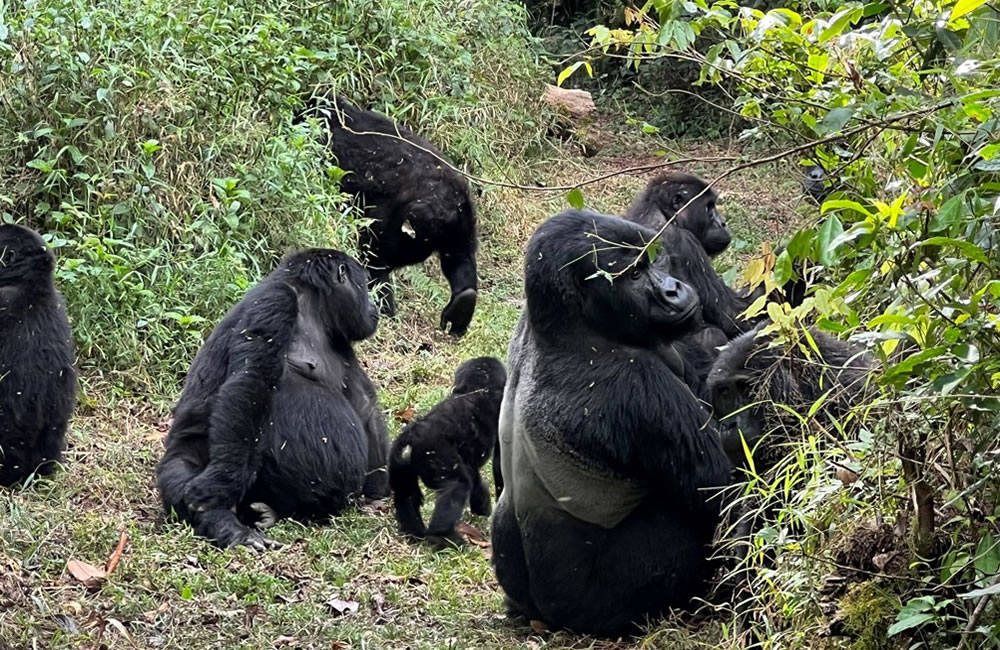
Mountain Gorilla Trekking: This is the highlight of any visit to Rwanda. The park is home to around one-third of the world’s remaining mountain gorillas spread within 12 families. For one to see these magnificent species, he or she should trek through the dense forest in search of the gorillas and once found, a full hour is given to him or her enjoying their daily lifestyles like playing, mating, feeding and others. Trekking through the dense forest to see these magnificent creatures in their natural habitat is surely an unforgettable experience.
Golden Monkey Tracking: The park is also famous for its population of endangered golden monkeys. These primates are playful and beautiful, and tracking them through the bamboo forests is a delight.
Nyungwe Forest National Park
Nyungwe National Park is located in south western Rwanda in a town called Cyangungu near Lake Kivu and near the border with Burundi and the Democratic Republic of Congo. The park protects Nyungwe forest, the largest remaining montane forest in Africa and also a home to different species. Among the species to find in the forest include chimpanzees and other several primate species.
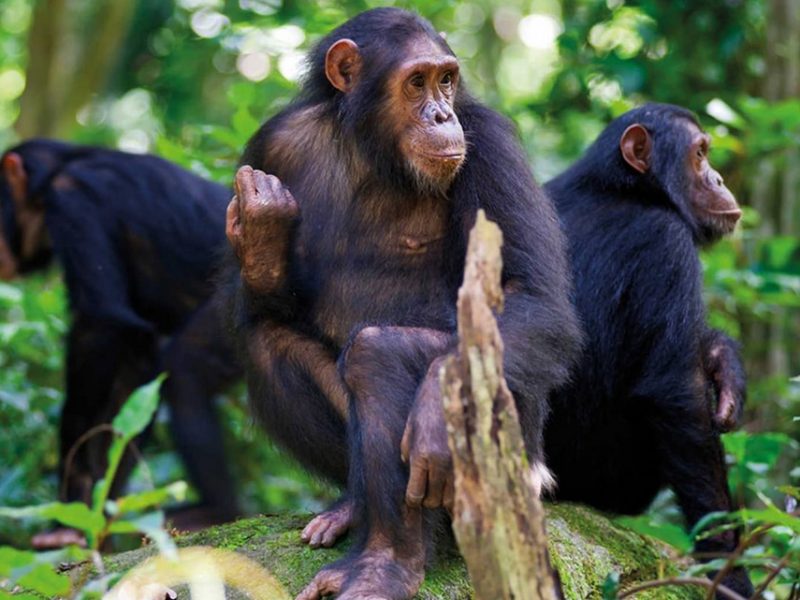
Chimpanzee Tracking: Nyungwe is one of the best places in Africa to track chimpanzees. The dense rain forest is home to over 500 chimpanzees, and the experience of watching them in the wild is both thrilling and educational.
Still in Nyungwe forest, enjoy a 200-meter-long canopy walk that provides an excellent view of different bird species and several small primate species.
Other Primates: Besides chimpanzees, Nyungwe is home to a variety of other primates, including colobus monkeys, L’Hoest’s monkeys, and vervet monkeys.
Akagera National Park
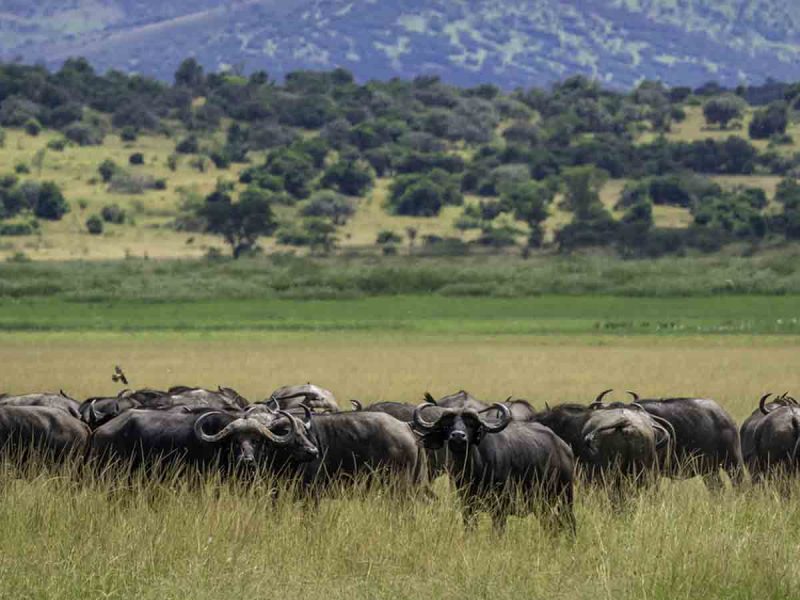
In eastern part of Rwanda, Akagera national park is the only savannah national park in Rwanda. With a total surface area of 1,122 square kilometers, Akagera is the only destination offering a more traditional African safari experience, where you can see the “Big Five” (lion, elephant, buffalo, leopard, and rhinoceros). The park also has other animals like; hippos, giraffes, zebras, and a variety of antelopes.
Still in the park, enjoy an incredible boat safari on Lake Ihema where you will see several aquatic animals like crocodiles, hippos, and water birds up close.
Gishwati-Mukura National Park
Located in north-western part of Rwanda, Gishwati-Mukura national park is one of the lesser known Rwanda national parks named after Gishwati forest. The park is known for protecting different primate species like; L’Hoest’s monkeys and blue monkeys, as well as a rich variety of birds.
Best Time to Visit Rwanda for a Primate and Wildlife Safari
Rwanda can be visited any time of the year for different experiences but the best time is the dry season which is in the months of June to September. This is because the trails are less muddy thus making animals easy to spot.
Though trekking and wildlife viewing is challenging in rainy seasons, bird watching is best done in these months (March to May and then October to November.
In conclusion, a safari in Rwanda offers a blend of adventure, wildlife, and cultural experiences that are truly unique. Whether you’re tracking gorillas in the misty mountains or exploring the savannahs of Akagera, Rwanda is a destination that leaves a lasting impression.